
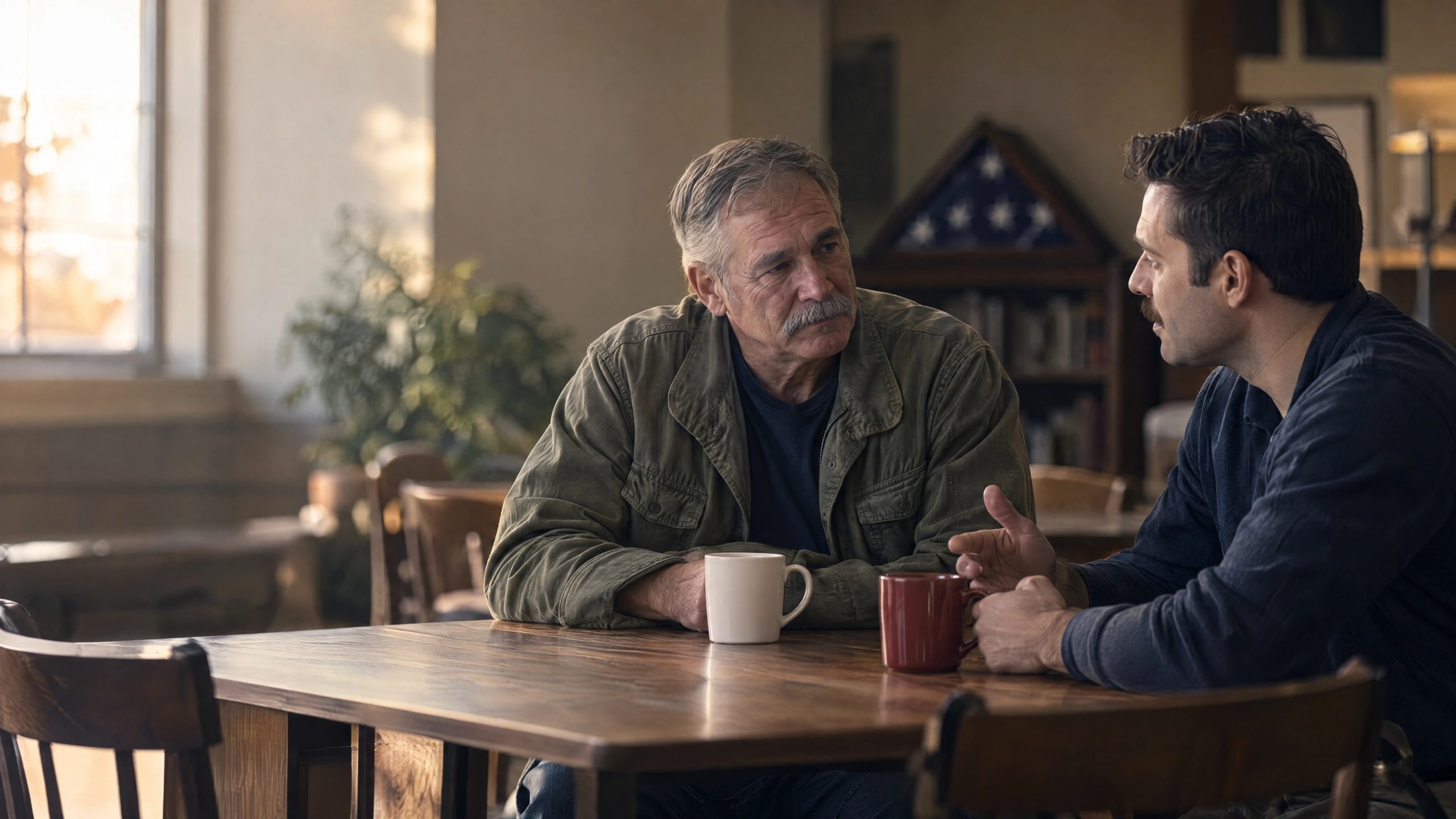
Every November, mustaches start showing up in places they have no business being. Offices, job sites, family photos. It looks like a joke, and that is exactly the point — it is a conversation starter built for men who do not start conversations about their health.
For the veteran community, that conversation is overdue.
The Number Behind the Mustache
The VA released its National Veteran Suicide Prevention Annual Report at the end of September. In 2024, the most recent year with complete data, 6,488 veterans died by suicide. That is an average of 17.7 every day.
Sit with that number for a second, because the next one is the one that should change what we do about it.
62% of the veterans who died by suicide in 2024 had not received VA health care in 2024 or 2023.
They were not in the system. Not on a caseload. Not in anyone’s follow-up queue. And the trend lines tell the same story twice over — between 2023 and 2024, suicide rates fell 4.8% among veterans enrolled in VA health care, and rose 3.7% among veterans who were not.
Same population. Same country. Same year. The variable was connection.
Why Men Wait
Ask a veteran why he has not seen a doctor in four years and you will usually get some version of the same answer. It is not that bad. Somebody else needs it more. I will go when something is actually wrong.
That reflex was trained, and for good reason. In uniform, the mission came first and discomfort was something you carried quietly. Nobody turns that off at the discharge ceremony. The same instinct that kept a man effective at twenty-two keeps him out of a waiting room at fifty-two.
Movember exists to interrupt that reflex. The campaign focuses on four things: prostate cancer, testicular cancer, men’s mental health and suicide prevention, and simply moving more. Different problems, one common thread — all four are far more survivable when they are caught early, and all four depend on a man being willing to say something out loud.
What This Looks Like Here
At F.F. Veterans Holistic Services, we work with the 62%. The veterans who fell off the rolls, moved, aged out of a program, got frustrated with a phone tree, or simply decided they were fine. We meet them where they already are — at the pantry, at a community event, through a family member who called us because he would not call for himself.
Food assistance brings people through the door. Behavioral health support, community resources, and referrals are what we build once they are standing in it. A man who comes in for a food box and leaves connected to care is not a small outcome. Based on what the VA’s own data shows, it may be the whole thing.
What You Can Do This November
If you are a veteran: pick one. Schedule the physical you have been putting off. Ask what screenings apply at your age. Say the honest answer out loud to one person who will not flinch.
If you love a veteran: do not open with a question he can answer with “fine.” Ask when he last saw a doctor. Offer to make the call. Offer to drive. The barrier is rarely the appointment — it is the first move.
And if you want to put weight behind this work, November is the month to do it. Veterans Day falls on November 11, and the attention that comes with it fades fast. The need does not.
If You Need Help Right Now
The Veterans Crisis Line is free, confidential, and available 24/7 — you do not need to be enrolled in VA health care to use it.
Dial 988, press 1 · Text 838255 · VeteransCrisisLine.net
Grow the mustache if you want to. But have the conversation either way.